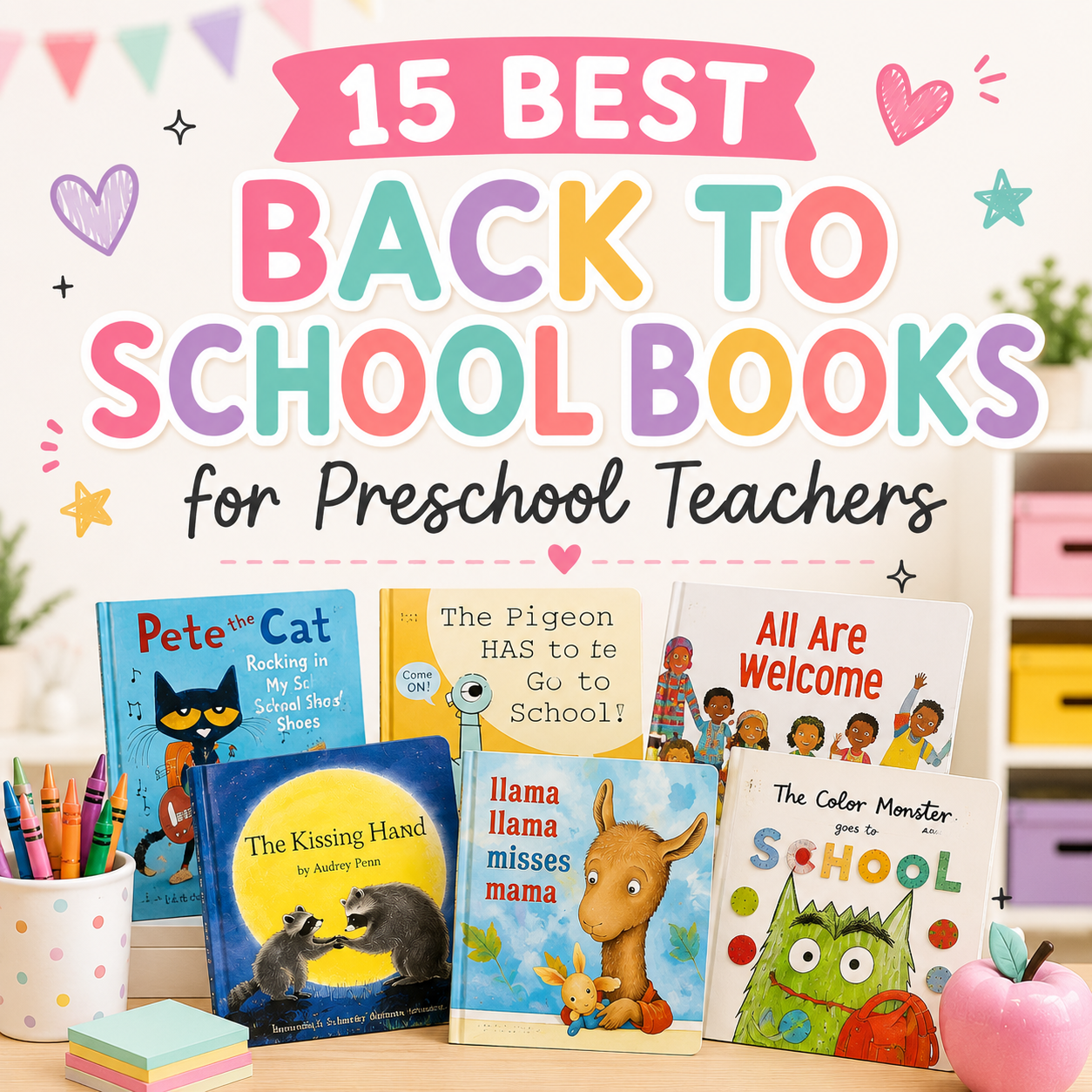
15 Best Back-to-School Books For Preschool Teachers To Start The Year Strong
Every year, I tell myself I’ll be ready for the first day of school. Then suddenly I’m labeling cubbies, printing name tags, organizing classroom centers, and putting the finishing touches on my favorite back-to-school preschool activities. If you’re a preschool teacher, you know exactly what I mean! The first week of school is exciting, but it’s also filled with big emotions for teachers, parents, and little learners.
That’s why I always reach for my favorite back-to-school books for preschool. Over the years, I’ve learned that the first week isn’t just about decorating the classroom—it’s about helping children feel safe, confident, and excited to learn. The right picture book can calm first-day jitters, introduce classroom routines, build friendships, and create meaningful conversations that continue long after story time ends.
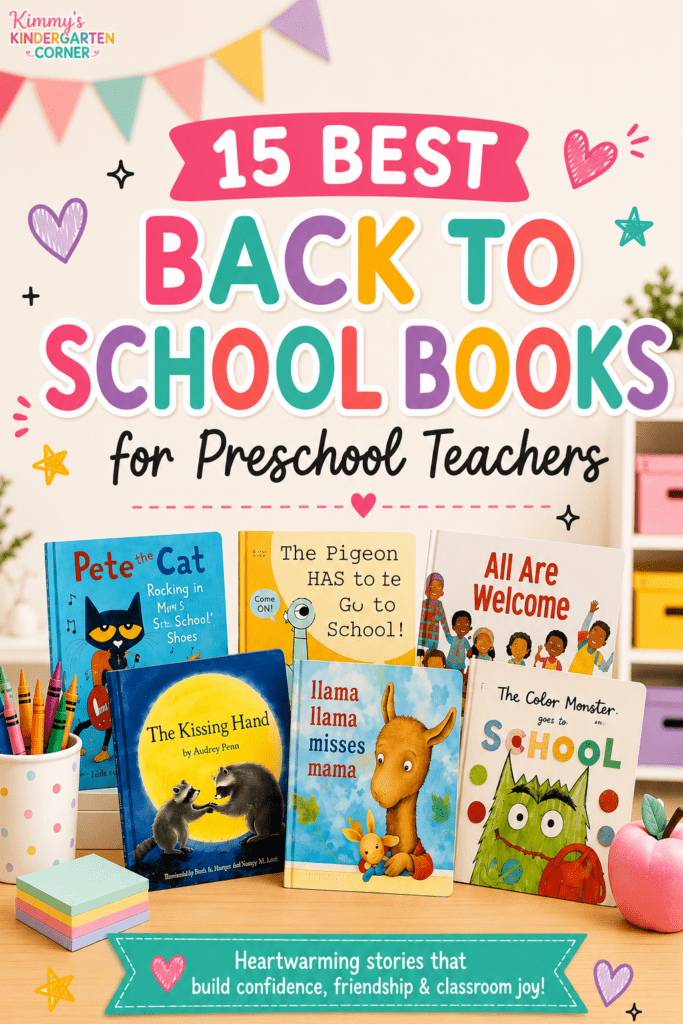
Many of my favorite preschool activities actually begin with a great read-aloud. One engaging story can inspire literacy centers, fine motor crafts, writing activities, dramatic play, social-emotional learning, and even your entire lesson plan for the day. If you’re searching for the best back-to-school books for preschool teachers, this list is full of classroom favorites that will help you build a welcoming classroom community while making lesson planning easier during one of the busiest seasons of the year.
Why Back-to-School Books Are Essential for Preschool?
The first few weeks of school set the tone for the entire year. Before preschoolers learn letters, numbers, colors, or shapes, they need to feel safe in their new classroom. They need to know their teacher cares about them, that it’s okay to miss Mom or Dad, and that school is a fun place where they can learn, play, and make new friends.
That’s where great back-to-school books for preschool make such a big impact.
A thoughtfully chosen picture book can answer questions children don’t always know how to ask. It can show them what circle time looks like, how to be a kind friend, why we share classroom supplies, and what happens when we make mistakes. Stories give children the confidence to step into new experiences while helping teachers introduce important classroom expectations in a natural, engaging way.
As a preschool teacher, I’ve found that books are one of the easiest ways to transition into meaningful preschool activities. Instead of introducing a new concept with a lecture, start with a story. After reading, your students can practice what they learned through hands-on learning, making the lesson more memorable and fun.
For example, after reading a book about friendship, your class might create friendship bracelets, work together on a collaborative art project, or role-play ways to be a good friend. A story about classroom rules can lead to anchor charts, classroom promise activities, or dramatic play. Books about feelings can inspire emotion sorting games, mirror activities, and social-emotional learning lessons.
The possibilities are endless because one great story can become an entire day of back-to-school preschool activities.
Another reason I love using books during the first week of school is that they naturally build language and literacy skills. As children listen to stories, they’re expanding their vocabulary, strengthening listening comprehension, learning how stories work, and developing a lifelong love of reading. Those early literacy experiences become the foundation for future reading success.
If you’re building your lesson plans for August, don’t think of books as something you squeeze into your schedule. Let them become the heart of your day. The best back-to-school books for preschool teachers don’t just entertain little learners—they help create a classroom where every child feels welcomed, encouraged, and excited to learn from day one.
How I Chose the Best Back-to-School Books for Preschool Teachers
There are hundreds of children’s books about starting school, but not every book belongs in a preschool classroom. When creating this list, I focused on books that preschool teachers can actually use during the first few weeks of school—not just books that are popular.
Every recommendation below helps support one or more of the goals you’ll likely have during the first month of school, including:
- Helping preschoolers feel comfortable in a new classroom
- Easing first-day separation anxiety
- Building classroom community and friendships
- Teaching classroom routines and expectations
- Encouraging kindness, sharing, and empathy
- Supporting social-emotional learning (SEL)
- Inspiring meaningful back-to-school preschool activities
- Strengthening early literacy and language development
These are the books I would reach for when planning circle time, literacy lessons, and preschool activities during the first week of school. Most can easily be paired with simple extension activities like crafts, writing prompts, sensory bins, dramatic play, fine motor centers, or classroom discussions, allowing one story to become an entire day of learning.
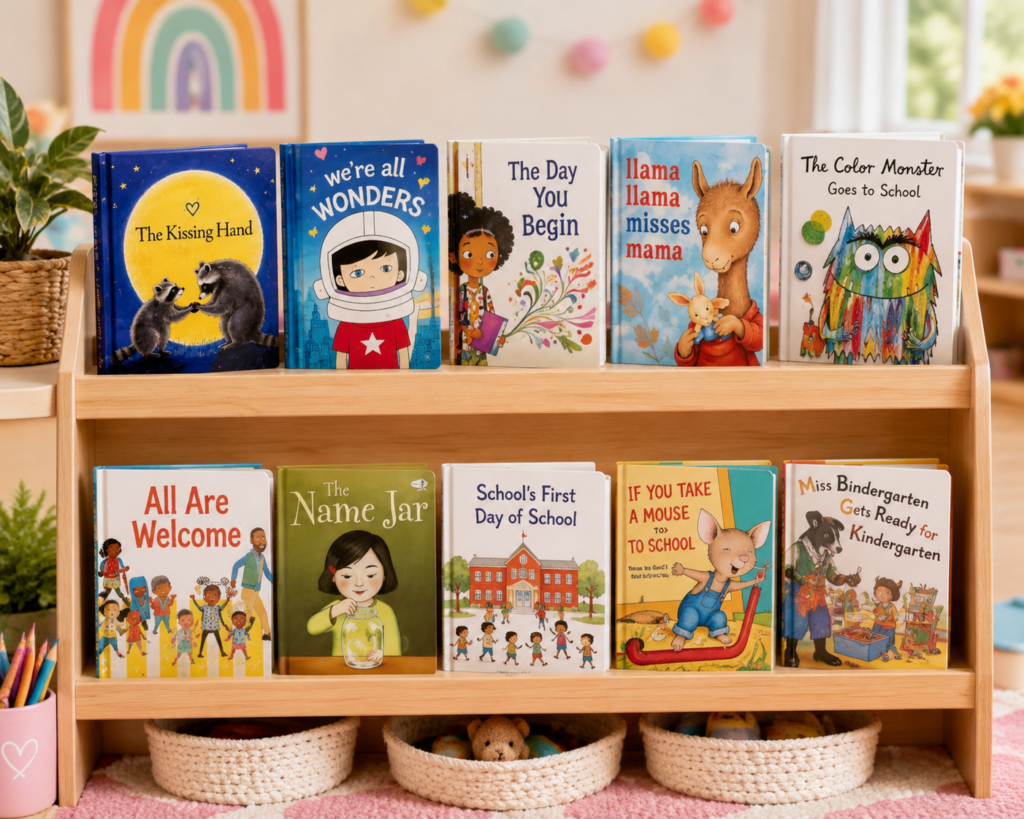
Whether you’re a brand-new preschool teacher setting up your classroom for the first time or a veteran educator refreshing your classroom library, these books are teacher favorites for a reason. They capture children’s attention, encourage participation, and help create a positive classroom environment from the very first read-aloud.
Now let’s dive into some of the best back-to-school books for preschool teachers
that deserve a spot on your bookshelf this school year.
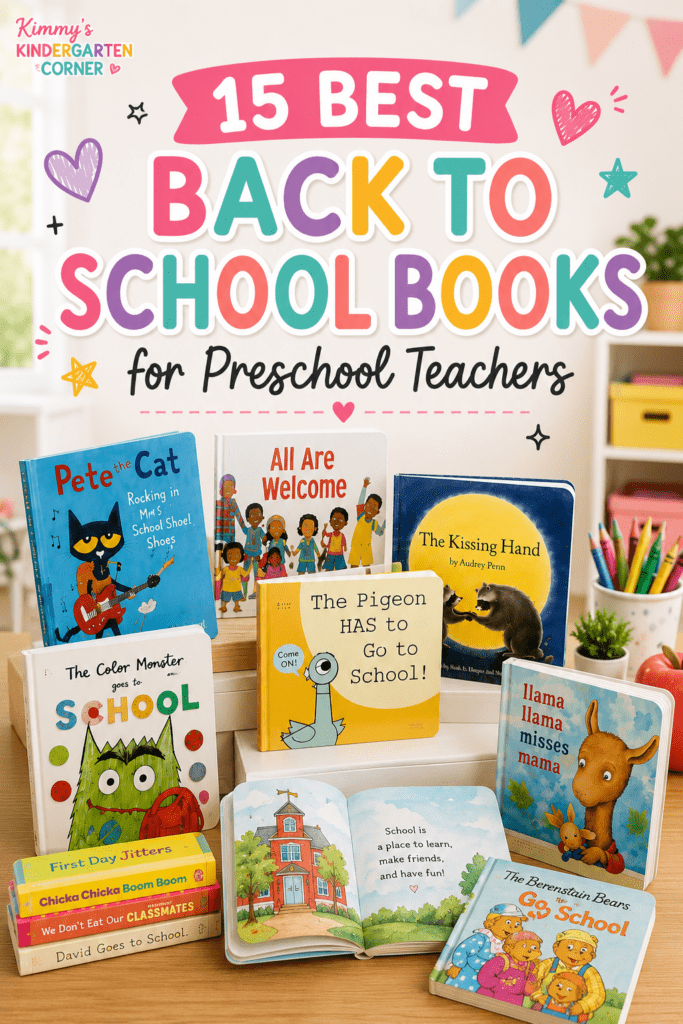
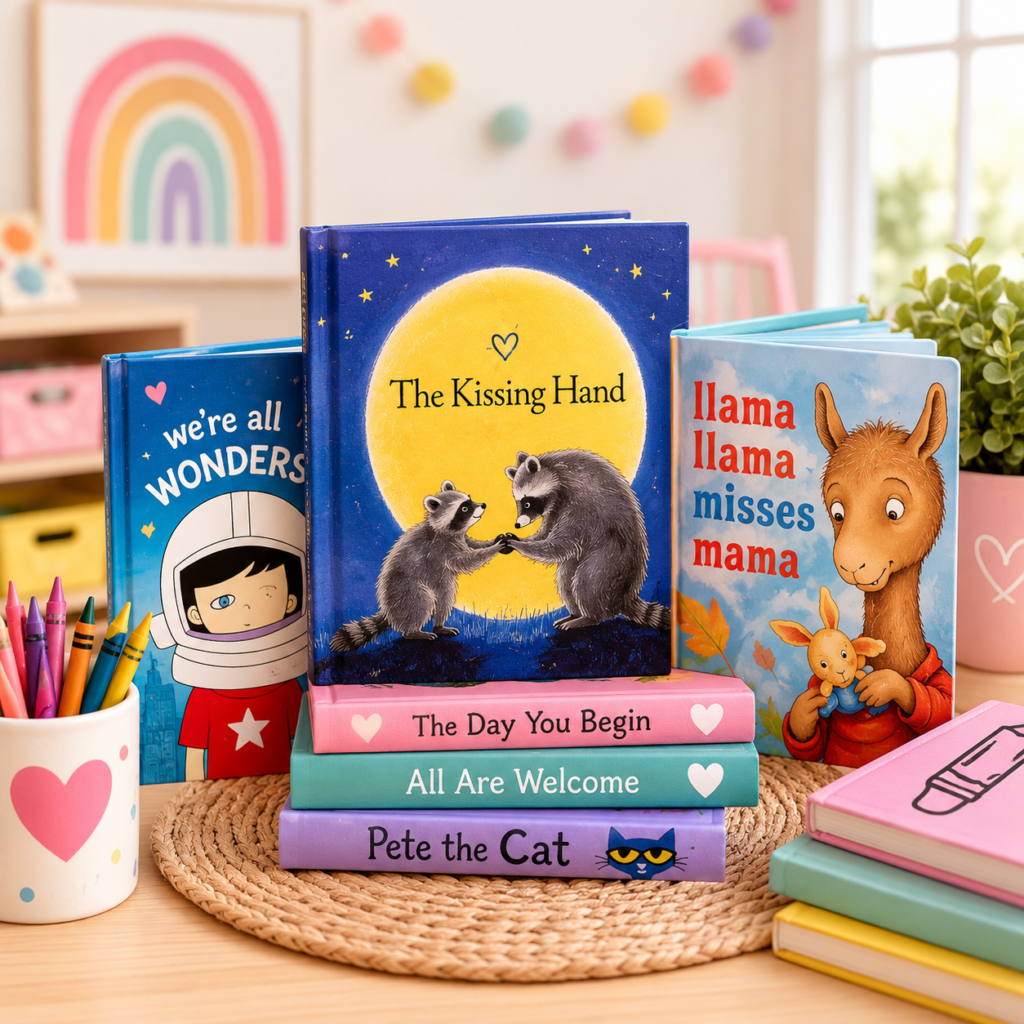
1.The Kissing Hand by Audrey Penn
If I could recommend just one back-to-school book for preschool, this would be it.
The first week of preschool is filled with big emotions. Some children can’t wait to explore the classroom, while others are holding back tears as they say goodbye to their families. The Kissing Hand gently reminds children that even when they’re apart, the love of their family goes with them wherever they go.
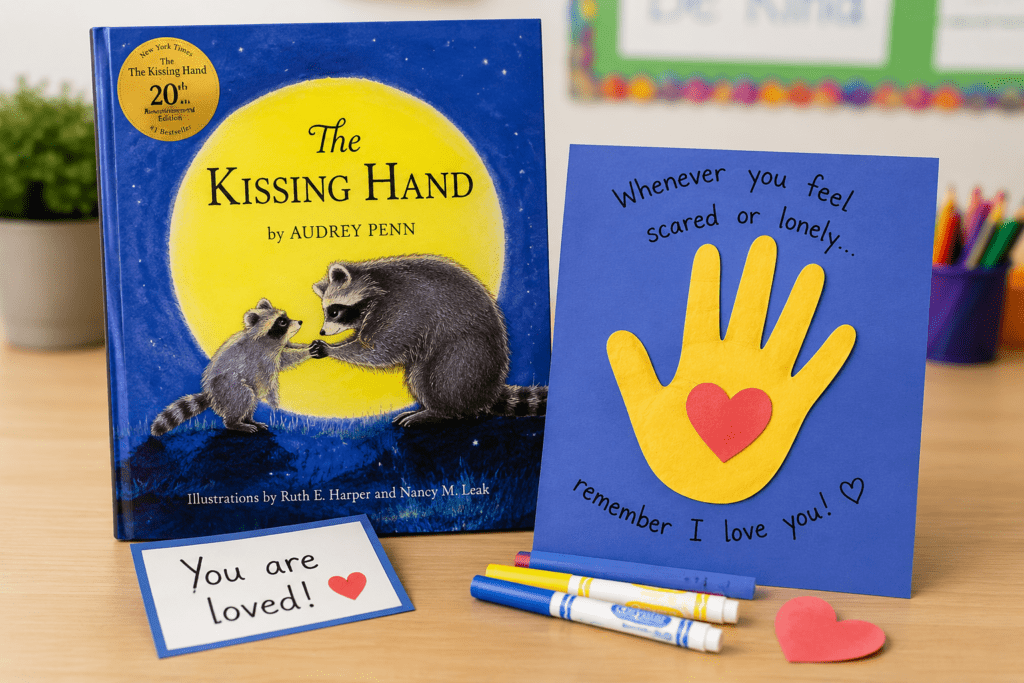
In the story, Chester Raccoon doesn’t want to leave his mother and start school. Before he leaves, his mother kisses the palm of his hand and tells him that whenever he feels lonely or scared, he can press his hand against his cheek and remember that her love is always with him.
It’s a simple story, but year after year, it becomes one of the most meaningful read-alouds during the first week of school.
Why Preschool Teachers Love It
This book naturally opens conversations about:
- First-day jitters
- Separation anxiety
- Family love
- Classroom comfort
- Building trust with new teachers
- Expressing emotions in healthy ways
Instead of telling children, “You’ll be okay,” this story helps them see that those nervous feelings are normal—and that school can become a safe, happy place.
Preschool Activity Pairings
After reading The Kissing Hand, extend learning with engaging back-to-school preschool activities like:
Kissing Hand Craft
Trace each child’s hand on construction paper. Add a small heart sticker or draw a heart in the middle of the palm to remind students that they are loved wherever they go.
Kindness Circle Time
Ask children:
- What helps you feel brave?
- Who makes you feel loved?
- What can we do if a friend feels sad at school?
These simple conversations help build empathy while creating a caring classroom community.
Fine Motor Activity
Have students decorate paper hands using crayons, markers, stickers, tissue paper, or fingerprints. Display every hand on a bulletin board titled:
“Our Classroom Is Full of Love.”
Literacy Extension
Invite children to draw a picture of someone they love and dictate one sentence about that person. This easy writing activity supports oral language development while encouraging family connections.
Teacher Tip
I love reading The Kissing Hand on the very first day of school before introducing classroom expectations. Once children feel emotionally safe, they’re much more ready to learn classroom routines, participate in preschool activities, and build friendships. It’s one of those books you’ll find yourself reaching for year after year because the message never gets old.
2.Llama Llama Misses Mama by Anna Dewdney
If you’ve ever had a preschooler cry at drop-off, this book belongs in your classroom library.
Llama Llama Misses Mama is one of the best back-to-school books for preschool because it honestly captures what many children experience during their first days at school. Llama is excited about starting school, but once his mama leaves, those big feelings quickly take over. As the day goes on, he begins making friends, exploring the classroom, and discovering that school can be a fun and happy place.
Why Preschool Teachers Love It
It’s a reassuring story that reminds children it’s perfectly normal to miss home while showing them that those nervous feelings won’t last forever.
This heartwarming story helps children:
- Understand that first-day nerves are normal.
- Build confidence in a new classroom.
- Learn that school is a safe place.
- Practice patience during transitions.
- Develop resilience and independence.
- Recognize that everyone adjusts at their own pace.
It’s also a wonderful conversation starter for children who may not yet have the words to explain how they’re feeling.
Preschool Activity Pairings
Extend the story with these engaging back-to-school preschool activities that reinforce emotional growth and early learning.
Feelings Chart
Create a classroom feelings chart with emotions like happy, excited, nervous, scared, and proud. Invite each child to place their name or picture beside the emotion that matches how they feel each morning.
Llama Paper Craft
Have students create their own llama using construction paper, cotton balls, or yarn. Encourage them to draw a smiling face and decorate their llama with colorful classroom supplies.
Circle Time Discussion
Ask questions such as:
- How did Llama feel when Mama left?
- Have you ever missed someone at school?
- What helped Llama feel better?
- What helps you feel brave?
These conversations help children understand that everyone experiences different emotions and that talking about feelings is healthy.
Literacy Extension
Practice sequencing by asking students to retell what happened at the beginning, middle, and end of the story. You can also have children draw their favorite part and dictate a sentence about why they chose it.
Teacher Tip
I like reading Llama Llama Misses Mama on the second or third day of school. By then, children have experienced at least one drop-off and can relate to Llama’s emotions. Pair this read-aloud with calming preschool activities, classroom routines, and lots of positive encouragement to help children build confidence as they settle into their new classroom.
Skills Taught: Social-emotional learning, emotional regulation, sequencing, vocabulary development, listening comprehension, and classroom community.
3. Pete the Cat: Rocking in My School Shoes by Eric Litwin
If you’re looking for a fun, upbeat read-aloud that gets preschoolers excited about school, Pete the Cat: Rocking in My School Shoes is a must-have. Unlike books that focus on first-day worries, Pete walks confidently through his new school, exploring the library, cafeteria, playground, and classroom with his signature positive attitude.
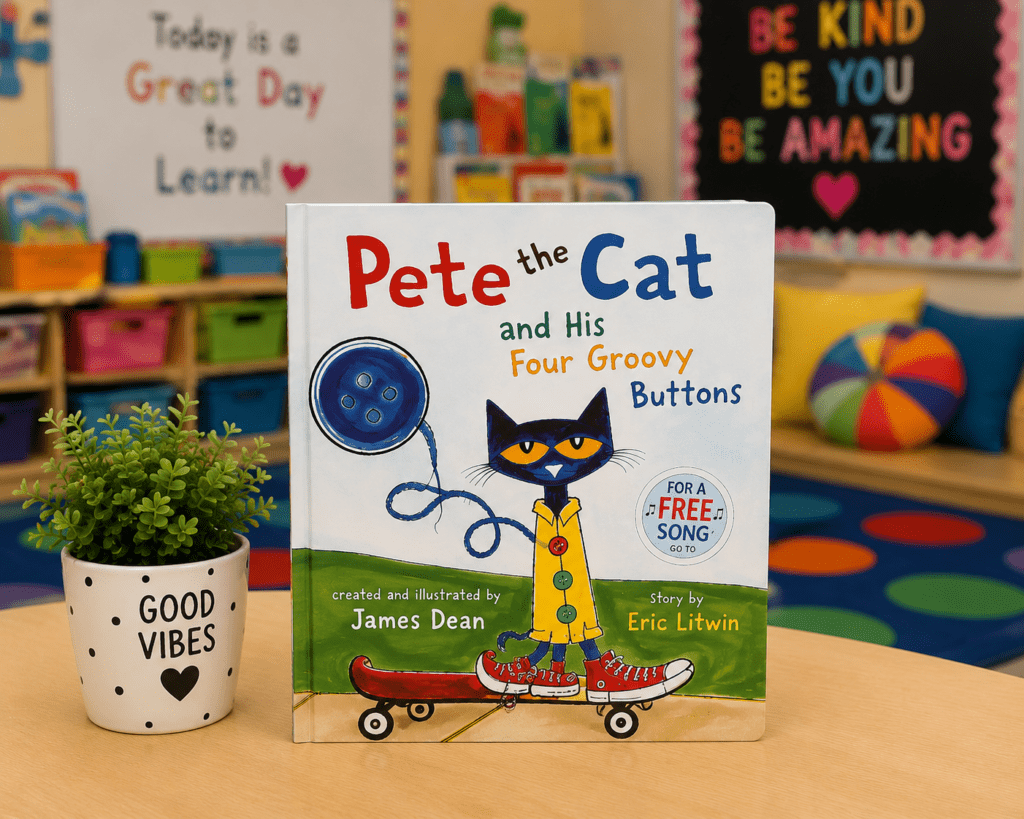
This is one of my favorite back-to-school books for preschool because it helps children replace uncertainty with excitement. As Pete visits different parts of the school, preschoolers begin to picture themselves doing the very same things. It’s an easy way to introduce school routines while helping children feel comfortable in their new environment.
The catchy, repetitive phrases also make this a fantastic interactive read-aloud that keeps even your busiest little learners engaged.
Why Preschool Teachers Love Pete the Cat: Rocking in My School Shoes?
This classroom favorite helps preschoolers:
- Become familiar with different areas of the school.
- Build excitement about learning.
- Practice listening and participation.
- Develop confidence in new environments.
- Learn that trying new things can be fun.
- Strengthen vocabulary through repetition.
Many teachers also use this book before taking students on a classroom or school tour, making unfamiliar places feel much less intimidating.
Preschool Activity Pairings for Pete the Cat: Rocking in My School Shoes
Continue the learning with these engaging back-to-school preschool activities inspired by Pete.
School Tour Scavenger Hunt
After reading the story, take your class on a tour of the school. Visit places like the office, playground, library, cafeteria, music room, and bathrooms. As you explore, ask students if they remember Pete visiting those places in the story.
Decorate Your Own School Shoes
Provide a simple shoe template for children to decorate with crayons, markers, stickers, or paint. Encourage each child to design shoes that show their unique personality.
Display them on a bulletin board titled:
“We’re Rocking Our Way Into Preschool!”
Movement Break
Turn on fun classroom music and invite students to march, dance, hop, tiptoe, or “rock” around the room just like Pete. This is a great brain break that also builds gross motor skills.
Literacy Extension
Create picture cards showing different places around the school. Invite children to sequence Pete’s adventure or match each picture to the location he visited in the story. This activity strengthens comprehension, vocabulary, and sequencing skills while reinforcing school routines.
Teacher Tip
I love reading Pete the Cat: Rocking in My School Shoes during the first week of school right before touring the building. It transforms an ordinary school tour into an exciting adventure. Instead of wondering what comes next, preschoolers begin saying, “Pete went here!” It naturally builds confidence while helping children become familiar with their new surroundings.
Skills Taught: Classroom routines, vocabulary development, sequencing, listening comprehension, school readiness, confidence, and social-emotional learning.
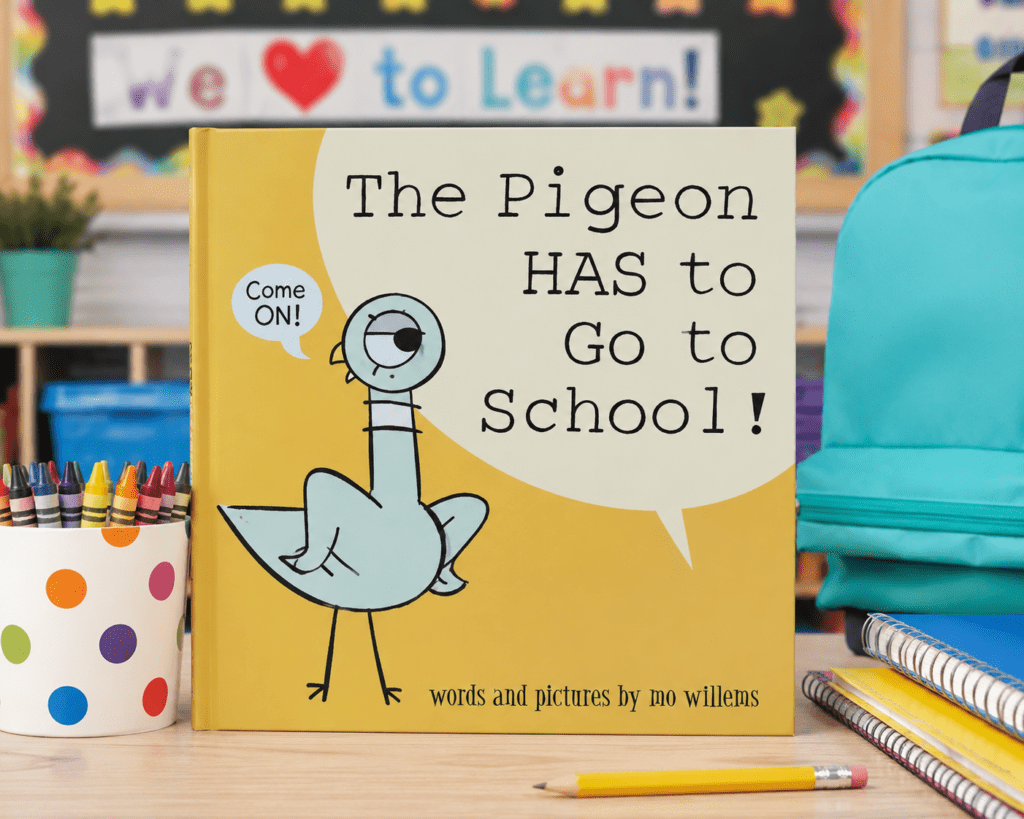
4. The Pigeon HAS to Go to School! by Mo Willems
If your preschoolers love to laugh, this book is guaranteed to become a classroom favorite. The Pigeon HAS to Go to School! takes a hilarious approach to first-day jitters by introducing a character who is convinced that school is a terrible idea—even though he has never been there!
As the Pigeon comes up with one excuse after another, children quickly realize that he’s nervous about starting something new. The story opens the door for meaningful conversations about fear, courage, and trying new experiences while keeping preschoolers engaged with its silly humor and expressive illustrations.
It’s one of the best back-to-school books for preschool because it reminds children that feeling nervous is completely normal. Sometimes, all it takes is one brave step to discover that school is actually a wonderful place to learn, play, and make friends.
Why Preschool Teachers Love It
This entertaining read-aloud helps preschoolers:
- Understand that it’s okay to feel nervous.
- Build confidence before the first day of school.
- Practice making predictions.
- Develop listening and comprehension skills.
- Encourage positive thinking.
- Build classroom discussions through humor.
Because the Pigeon is so dramatic, children love sharing their opinions and helping solve his problem, making this an excellent interactive story for circle time.
Preschool Activity Pairings
Keep the excitement going with these engaging back-to-school preschool activities inspired by the story.
Convince the Pigeon! Writing & Drawing Activity
Ask children:
“What would you tell the Pigeon about preschool?”
Invite students to draw a picture or dictate one sentence explaining why school is fun. Display their work on a bulletin board titled:
“Dear Pigeon… Preschool Is Awesome!”
💬 Circle Time Discussion
Talk about questions like:
- Why didn’t the Pigeon want to go to school?
- Was he scared or just making excuses?
- What are you excited to do at preschool?
- What would you tell a friend who feels nervous?
These conversations help children recognize and express their emotions while building empathy for others.
Dramatic Play
Let children pretend to be the Pigeon while classmates take turns encouraging him to come to school. This simple role-playing activity builds communication, confidence, and problem-solving skills.
Literacy Extension
Create a class anchor chart with two columns:
The Pigeon Thinks…
We Know…
Children can compare the Pigeon’s worries with what they have learned about school during the first week. This activity strengthens comprehension while reinforcing positive classroom expectations.
Teacher Tip
I love reading The Pigeon HAS to Go to School! after the first day or two of preschool. By then, children realize that many of the Pigeon’s worries weren’t true, making the story even funnier. It’s the perfect opportunity to celebrate how brave your class has already been while encouraging a positive attitude toward learning.
Kim’s Classroom Rating: ⭐⭐⭐⭐⭐ (10/10)
Best For: Building confidence and easing first-week worries
Ages: 3–5 years
Perfect Pairing: “Dear Pigeon” writing activity and classroom expectations discussion
Skills Taught: Social-emotional learning, oral language, prediction, comprehension, classroom confidence, problem-solving, and positive thinking.
5. David Goes to School by David Shannon
Let’s be honest—every preschool teacher has had a “David” in their classroom.
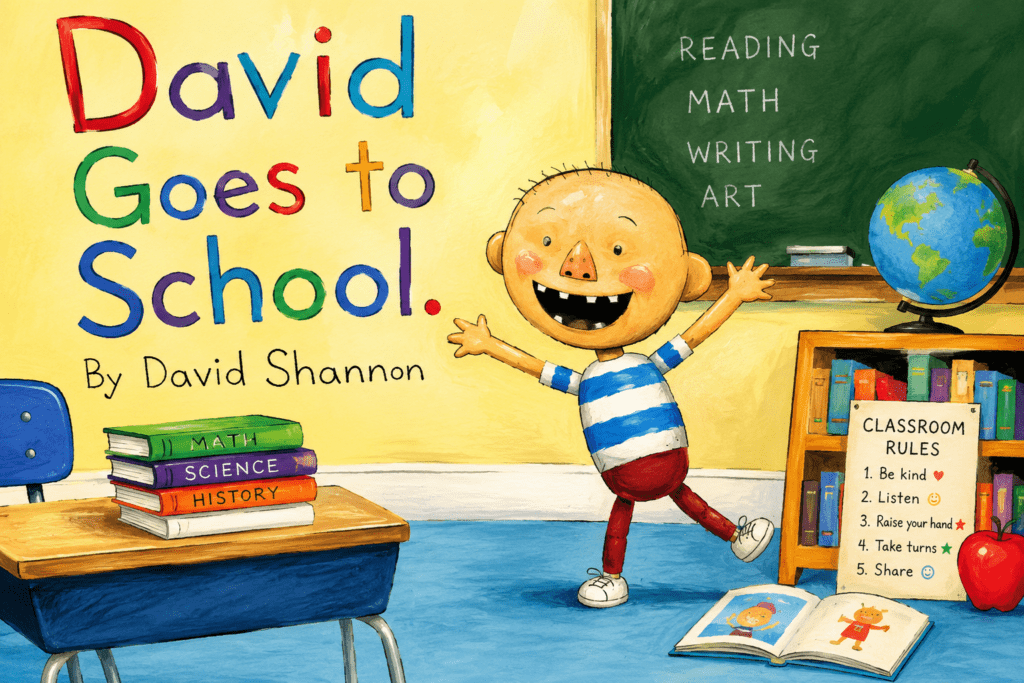
That’s one reason David Goes to School continues to be one of the best back-to-school books for preschool. Instead of simply telling children the classroom rules, this funny story shows what happens when David forgets to listen, use kind hands, raise his hand, or follow directions. The exaggerated illustrations make preschoolers laugh while helping them recognize the difference between good and poor classroom choices.
Rather than focusing on punishment, this book creates the perfect opportunity to talk about making better choices, learning from mistakes, and becoming a respectful member of the classroom community.
Why Preschool Teachers Love David Goes to Schoo
This classroom favorite helps preschoolers:
- Learn classroom rules in a fun and memorable way.
- Understand appropriate school behavior.
- Practice problem-solving skills.
- Build self-control and responsibility.
- Encourage respectful choices.
- Start meaningful conversations about expectations.
Children love pointing out David’s silly mistakes, making this one of the most interactive preschool read-alouds for the first week of school.
Preschool Activity Pairings
Continue the learning with these engaging back-to-school preschool activities that reinforce classroom expectations.
⭐ Classroom Rules Anchor Chart
As you read, ask students:
“What should David have done instead?”
Work together to create a classroom rules chart using positive language like:
- We use walking feet.
- We use kind hands.
- We listen when others are talking.
- We take care of our classroom.
- We are kind to our friends.
Hang the chart where students can refer to it throughout the year.
Good Choice vs. Poor Choice Sort
Show picture cards of different classroom behaviors and let students decide whether each one shows a good choice or a poor choice. This simple activity encourages discussion and helps children understand classroom expectations.
Classroom Role Play
Invite students to act out everyday classroom situations, such as sharing toys, lining up, cleaning up, or asking for help. Practice making positive choices together while celebrating respectful behavior.
Literacy Extension
Have each child draw themselves making a good classroom choice and complete the sentence:
“I can be a great classmate by __________.”
These pages make a wonderful beginning-of-the-year classroom book that students will enjoy reading again and again.
Teacher Tip
I like reading David Goes to School after we’ve spent a day or two getting comfortable in the classroom. Instead of introducing a long list of rules, this book makes classroom expectations feel like a conversation rather than a lecture. Preschoolers love correcting David, and before they realize it, they’re learning exactly how to be safe, kind, and respectful at school.
Best For: Teaching classroom rules and expectations
Perfect Pairing: Classroom Rules Anchor Chart + Good Choice/Poor Choice Sorting Activity
Skills Taught: Classroom expectations, self-control, problem-solving, listening skills, social-emotional learning, responsibility, and positive decision-making.
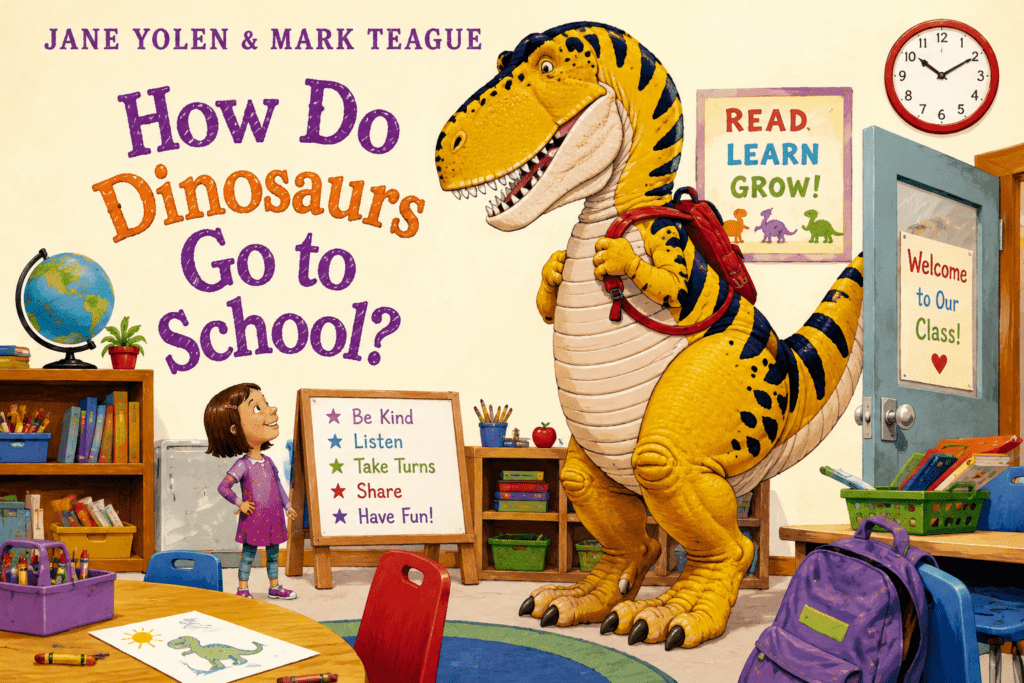
6. How Do Dinosaurs Go to School? by Jane Yolen
What happens when dinosaurs stomp through the hallways, roar during circle time, or refuse to follow directions? That’s exactly what makes How Do Dinosaurs Go to School? such a hit with preschoolers.
This playful picture book uses silly dinosaur behavior to teach real classroom expectations in a way that keeps children laughing from beginning to end. As each dinosaur makes outrageous choices, preschoolers love pointing out what they should have done instead. By the end of the story, children see positive examples of kindness, respect, and responsibility, making this one of the most engaging back-to-school books for preschool.
If you’re looking for a fun way to introduce classroom rules without sounding like you’re giving a lecture, this book is a fantastic choice.
Why Preschool Teachers Love It
This entertaining read-aloud helps preschoolers:
- Learn classroom expectations through humor.
- Practice identifying positive and negative behaviors.
- Build listening and comprehension skills.
- Encourage kindness and respect.
- Strengthen problem-solving skills.
- Develop self-control and responsibility.
The oversized dinosaur illustrations also keep even your busiest little learners engaged during story time.
Preschool Activity Pairings
Bring the story to life with these fun back-to-school preschool activities.
🦖 Dinosaur Rules Craft
Have each child color or decorate a dinosaur template. Then ask them to share one classroom rule they think is important. Write their answer on the dinosaur and create a bulletin board titled:
“Roaring Into a Great School Year!”
Dinosaur or Preschooler?
Read different classroom scenarios aloud and let students decide:
“Would a dinosaur do this…or a preschooler?”
Examples:
- Cleans up toys.
- Roars during story time.
- Uses walking feet.
- Shares crayons.
- Pushes a friend in line.
This simple game reinforces classroom expectations while keeping students actively involved.
Dinosaur Movement Break
Invite children to stomp, tiptoe, stretch, crawl, and “roar” like different dinosaurs. Then compare those movements to how we move safely at school using walking feet and calm bodies.
It’s a fun way to practice gross motor skills while reinforcing classroom routines.
Literacy Extension
Create a class chart titled:
“Our Preschool Doesn’t Roar…”
Ask students to finish the sentence by sharing positive classroom behaviors.
Examples include:
- We use kind words.
- We raise our hands.
- We help our friends.
- We clean up our toys.
This chart becomes a great visual reminder throughout the year.
Teacher Tip
I love reading How Do Dinosaurs Go to School? during the first week because it gets children laughing while naturally introducing classroom expectations. Instead of feeling like they’re being corrected, preschoolers become excited about making “preschool choices instead of dinosaur choices.” It’s a fun way to build positive habits from day one.
Kim’s Classroom Rating: ⭐⭐⭐⭐⭐ (10/10)
Best For: Teaching classroom rules with humor
Ages: 3–5 years
Perfect Pairing: Dinosaur Rules Craft + Classroom Behavior Sorting Game
Skills Taught: Classroom expectations, listening comprehension, social-emotional learning, self-control, gross motor development, vocabulary, and positive decision-making.
7. Chrysanthemum by Kevin Henkes
Every child wants to feel accepted, valued, and like they belong—and Chrysanthemum beautifully captures that message. This heartwarming story follows a little mouse who absolutely loves her unique name until classmates begin teasing her. As the story unfolds, children learn powerful lessons about kindness, acceptance, and celebrating what makes each of us special.
While it isn’t exclusively a first-day-of-school story, Chrysanthemum is one of the best back-to-school books for preschool because it helps build a positive classroom community from the very beginning. It encourages children to respect differences, use kind words, and appreciate the unique qualities that make every classmate special.
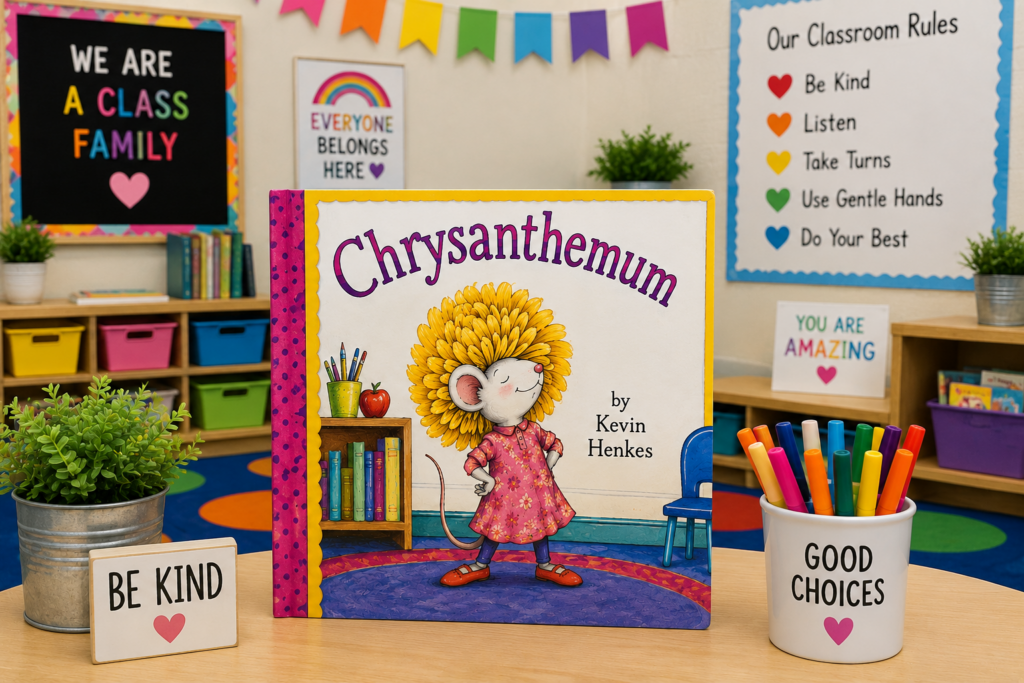
This is a wonderful read-aloud for the first few weeks of school when you’re helping preschoolers learn names, make friends, and create a classroom where everyone feels welcome.
Why Preschool Teachers Love Chrysanthemum
This beloved picture book helps preschoolers:
- Celebrate what makes each child unique.
- Build self-confidence and self-esteem.
- Practice kindness and empathy.
- Learn the importance of using kind words.
- Strengthen classroom friendships.
- Foster a welcoming classroom community.
It’s also one of the best books to pair with beginning-of-the-year name activities.
Preschool Activity Ideas for Chrysanthemum
Continue the learning with these engaging back-to-school preschool activities inspired by the story.
Chrysanthemum My Name Flower Craft
Give each child a flower template with petals. Write one letter of their name on each petal, then invite students to decorate their flower with crayons, markers, stickers, or paint.
Display them on a bulletin board titled:
“Our Classroom Blooms with Unique Friends!”
Name Celebration Circle Time
Invite each child to share:
- Who chose your name?
- Do you have a nickname?
- What do you like about yourself?
This simple activity builds confidence while helping classmates get to know one another.
Create a Kindness Garden
Create a classroom flower garden where each flower includes one kind word about a classmate, such as:
- Helpful
- Friendly
- Caring
- Brave
- Funny
- Creative
It’s a beautiful visual reminder that kind words help everyone grow.
Literacy Extension
Practice recognizing and spelling names by creating name puzzles or magnetic letter matching activities. Preschoolers can also trace, build, and decorate their names while strengthening early literacy and fine motor skills.
Teacher Tip
I love reading Chrysanthemum during the first week or two of school while we’re learning everyone’s names. It reminds children that every classmate is important and that our differences make our classroom stronger. Pair this story with name-writing practice and friendship preschool activities to help build a caring classroom community from day one.
Kim’s Classroom Rating: ⭐⭐⭐⭐⭐ (10/10)
Best For: Building classroom community and celebrating individuality
Ages: 3–5 years
Perfect Pairing: Name Flower Craft + Kindness Garden Bulletin Board
Skills Taught in Chrysanthemum: Social-emotional learning, empathy, self-confidence, name recognition, early literacy, classroom community, and kindness.
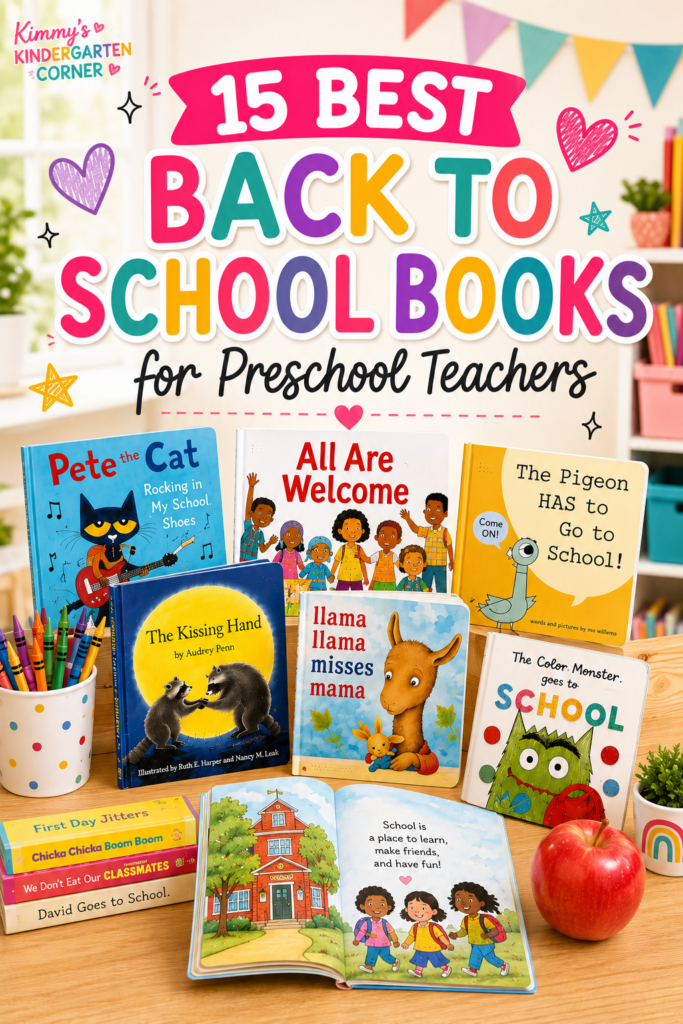
8. We’re All Wonders by R. J. Palacio
Creating a classroom where every child feels accepted starts on the very first day of school. We’re All Wonders is a beautiful reminder that kindness is one of the most important lessons we can teach preschoolers.
Inspired by the bestselling novel Wonder, this picture book introduces young children to Auggie, a little boy who sometimes feels different from everyone around him. Through simple language and beautiful illustrations, preschoolers learn that every person deserves kindness, respect, and friendship—no matter what they look like or where they come from.
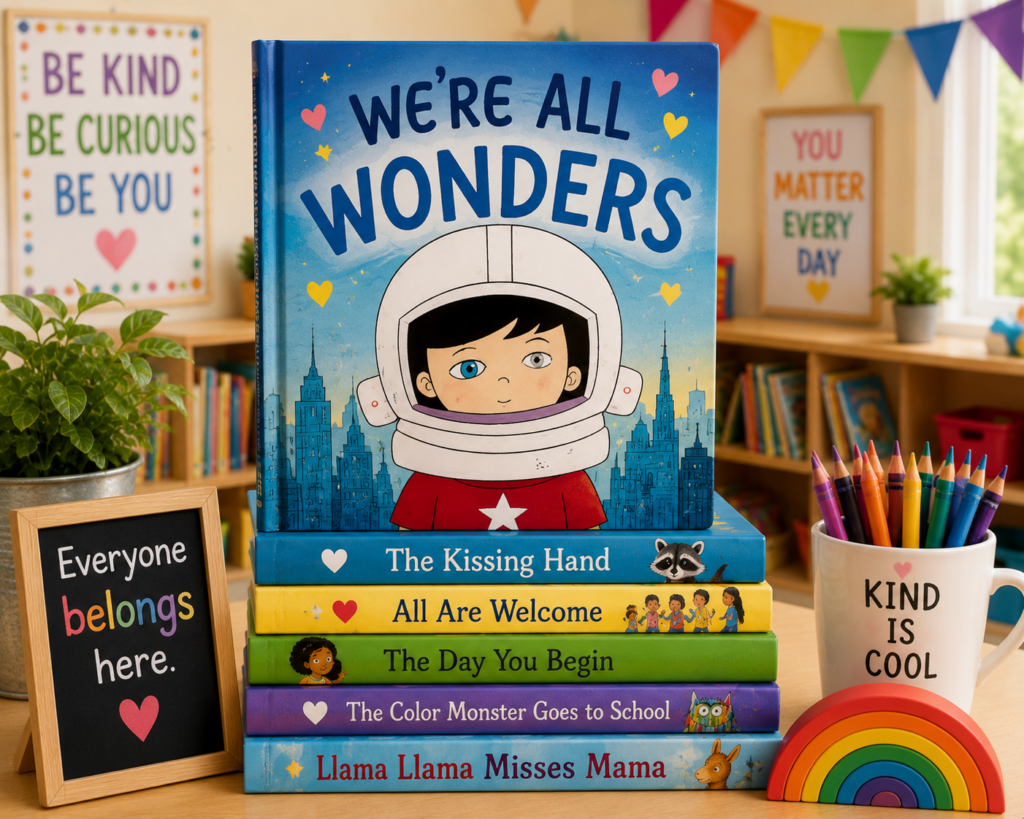
That’s why We’re All Wonders is one of my favorite back-to-school books for preschool. It helps set the tone for a classroom where every child feels seen, valued, and included from day one.
Why Preschool Teachers Love It
This inspiring picture book helps preschoolers:
- Celebrate differences.
- Practice kindness and empathy.
- Build a welcoming classroom community.
- Learn to include others.
- Develop respect for classmates.
- Strengthen social-emotional learning skills.
It’s the perfect read-aloud for introducing the idea that everyone belongs in your classroom family.
Preschool Activity Pairings
Keep the lesson going with these meaningful back-to-school preschool activities.
⭐ We Are All Wonders Self-Portraits
Give each child a mirror and invite them to draw a self-portrait. Encourage them to notice what makes them unique, from their hair and eye color to their favorite smile.
Display the portraits on a bulletin board titled:
“We Are All Wonders!”
❤️ Friendship Chain
Cut strips of colorful construction paper and have each child decorate one strip. Connect the strips into one long paper chain to show that every student is an important part of the classroom family.
Hang the chain around your classroom as a reminder that everyone belongs.
🤝 Kindness Jar
Throughout the week, encourage children to notice acts of kindness. Each time someone helps a friend, shares, or uses kind words, add a pom-pom or paper heart to the classroom kindness jar.
When the jar is full, celebrate with a special class activity.
📚 Literacy Extension
Ask each child to finish the sentence:
“I am wonderful because…”
Children can draw a picture to match their response or dictate their answer for you to write. Compile the pages into a class book that students can read throughout the year.
Teacher Tip
I love reading We’re All Wonders during the first week of school because it helps create the classroom culture I want all year long. Before we dive into academics, I want my preschoolers to understand one important message: everyone belongs here. This book opens the door to conversations about kindness, inclusion, and celebrating what makes each child special.
Kim’s Classroom Rating: ⭐⭐⭐⭐⭐ (10/10)
Best For: Building kindness, empathy, and classroom community
Ages: 3–5 years
Perfect Pairing: Self-Portrait Activity + Friendship Chain + Kindness Jar
Skills Taught: Social-emotional learning, empathy, self-awareness, inclusion, oral language, classroom community, and friendship.
9. The Color Monster Goes to School by Anna Llenas
The first few weeks of preschool bring lots of big feelings. Some children are excited, others feel nervous, and a few may experience all those emotions before breakfast! That’s why The Color Monster Goes to School is one of the best back-to-school books for preschool.
In this colorful story, the lovable Color Monster is starting school for the very first time. As he explores his new classroom, he learns about circle time, making friends, playing, creating art, and discovering all the exciting adventures that happen throughout the school day. Along the way, children also learn to recognize and name their own emotions using bright, colorful illustrations.
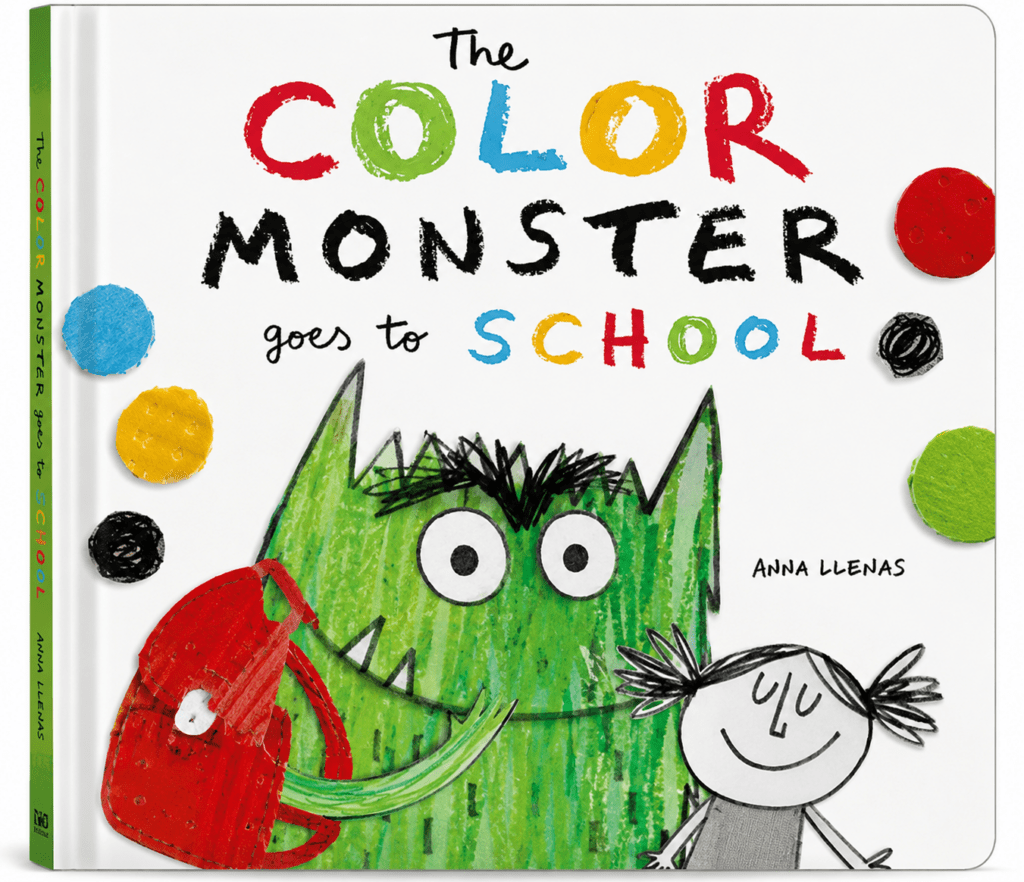
This book is a wonderful way to introduce social-emotional learning (SEL) while helping preschoolers understand that it’s okay to have mixed feelings about starting school.
Why Preschool Teachers Love It
This engaging picture book helps preschoolers:
- Identify and name their emotions.
- Build emotional awareness.
- Feel more confident about starting school.
- Develop healthy ways to express feelings.
- Learn classroom routines.
- Strengthen social-emotional learning skills.
It’s also one of the easiest books to turn into meaningful preschool activities because every emotion naturally leads to hands-on learning.
Preschool Activity Pairings
Bring the story to life with these engaging back-to-school preschool activities.
🎨 Color Monster Feelings Craft
Give each child a Color Monster template to decorate using different colors that represent emotions like:
- Yellow = Happy
- Blue = Sad
- Green = Calm
- Red = Angry
- Pink = Loved
- Black = Scared
As students work, talk about times they’ve experienced each feeling.
😊 Feelings Check-In Chart
Create a daily classroom feelings board with colorful emotion cards. Each morning, invite children to move their name or picture beside the emotion that best describes how they’re feeling.
This simple routine encourages emotional awareness and opens meaningful conversations every day.
🎲 Emotion Sorting Game
Show picture cards with different facial expressions or classroom situations. Ask children to identify the emotion and explain why someone might feel that way.
This activity builds empathy while strengthening vocabulary and communication skills.
📚 Literacy Extension
Invite students to complete the sentence:
“Today I feel ______ because ______.”
Children can draw a picture to match their response while teachers write down their words. This activity encourages oral language development and helps children connect emotions to real-life experiences.
Teacher Tip
I love reading The Color Monster Goes to School during the first week because it gives children the vocabulary to talk about their feelings. Many preschoolers know they’re feeling “something,” but they don’t always have the words to explain it. This book helps create a classroom where emotions are welcomed, understood, and talked about openly.
Kim’s Classroom Rating: ⭐⭐⭐⭐⭐ (10/10)
Best For: Teaching emotions and social-emotional learning during the first week of preschool
Ages: 3–5 years
Perfect Pairing: Feelings Check-In Chart + Color Monster Craft + Emotion Sorting Game
Skills Taught: Social-emotional learning, emotional regulation, vocabulary development, oral language, classroom routines, empathy, and self-awareness.
10. Miss Bindergarten Gets Ready for Kindergarten by Joseph Slate
Don’t let the word kindergarten fool you—Miss Bindergarten Gets Ready for Kindergarten is also a fantastic back-to-school book for preschool. While the story follows a kindergarten teacher preparing for her students’ first day, many of the same routines, classroom expectations, and exciting preparations happen in preschool classrooms too.
As Miss Bindergarten decorates her classroom, organizes supplies, prepares learning centers, and eagerly waits to meet her students, preschoolers get a fun preview of everything that happens before they walk through the classroom door. It also helps children realize that teachers get excited—and sometimes a little nervous—for the first day of school too!
This cheerful read-aloud builds excitement for learning while helping children become familiar with classroom routines before they experience them firsthand.
Why Preschool Teachers Love It
This engaging picture book helps preschoolers:
- Get excited about starting school.
- Learn about daily classroom routines.
- Understand that teachers prepare for them, too.
- Build confidence for the first week of school.
- Strengthen observation and vocabulary skills.
- Develop excitement about classroom learning.
The detailed illustrations also encourage children to look closely, ask questions, and notice all the different things happening in the classroom.
Preschool Activity Pairings
Extend the learning with these fun back-to-school preschool activities.
🏫 Classroom Scavenger Hunt
After reading the story, invite children to search your classroom for important school items like:
- Backpack
- Cubby
- Crayons
- Books
- Blocks
- Art easel
- Sink
- Reading corner
This activity helps preschoolers become comfortable in their new learning environment while building vocabulary.
🎨 Design Your Dream Classroom
Give children paper, crayons, and stickers to draw what their dream preschool classroom would look like. Encourage them to include their favorite learning centers, books, toys, and classroom helpers.
Display the artwork on a bulletin board titled:
“Our Dream Preschool Classroom!”
📋 Classroom Jobs Chart
Introduce simple classroom responsibilities such as:
- Line Leader
- Door Holder
- Weather Helper
- Calendar Helper
- Plant Helper
- Classroom Cleaner
Talk about how everyone has an important role in helping the classroom run smoothly.
📚 Literacy Extension
Read through the alphabet together while identifying the students in Miss Bindergarten’s class. Then invite preschoolers to recognize the first letter in their own names and practice matching beginning letters with classmates.
Teacher Tip
I love reading Miss Bindergarten Gets Ready for Kindergarten during the first week because it helps children understand that classrooms don’t magically appear overnight. Teachers spend a lot of time preparing a welcoming space just for them! It’s also a wonderful way to introduce classroom jobs, routines, and learning centers while building excitement for the school year ahead.
Kim’s Classroom Rating: ⭐⭐⭐⭐⭐ (9.5/10)
Best For: Introducing classroom routines and building excitement for school
Ages: 3–5 years
Perfect Pairing: Classroom Scavenger Hunt + Classroom Jobs Chart
Skills Taught: School readiness, classroom routines, vocabulary development, observation skills, beginning letter recognition, classroom responsibility, and community building.
11. All Are Welcome by Alexandra Penfold
One of the most important lessons we can teach during the first week of preschool is that everyone belongs. All Are Welcome is a heartwarming picture book that celebrates diversity, kindness, friendship, and inclusion while showing children that every classroom is a place where they are loved, respected, and valued.
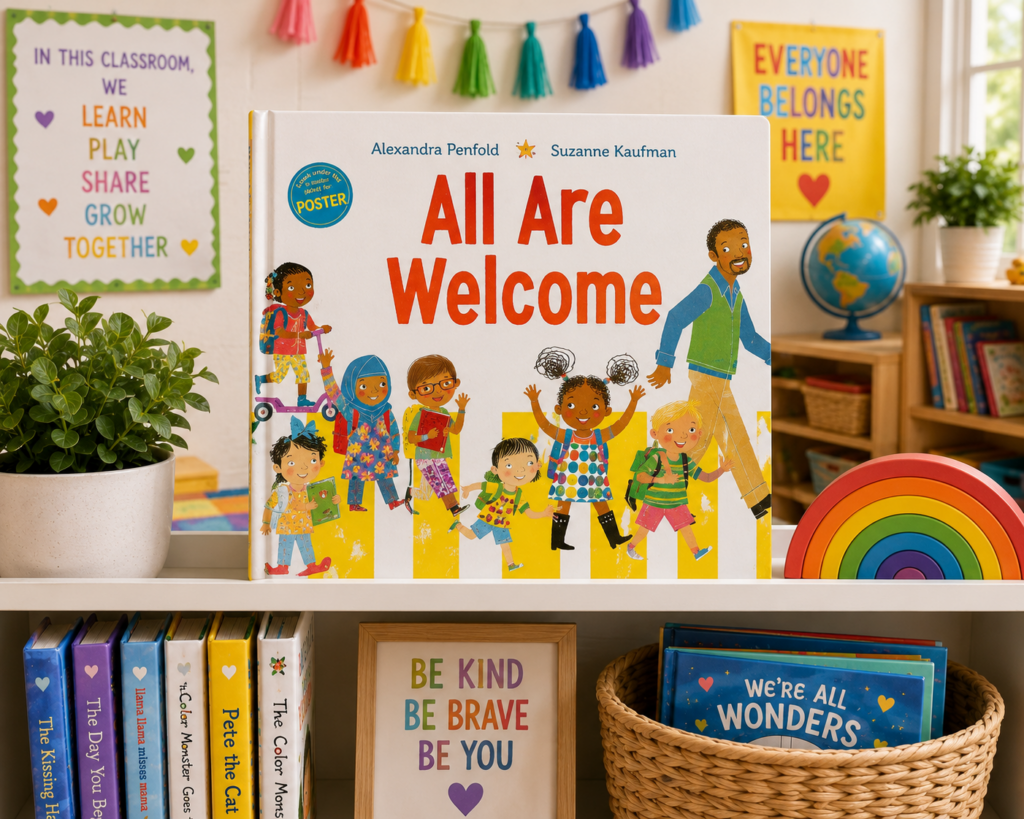
Throughout the story, children from different backgrounds learn, play, laugh, and grow together. The message is simple but powerful: no matter who you are or where you come from, you have a place in the classroom.
That’s what makes All Are Welcome one of the best back-to-school books for preschool. It helps preschool teachers create a positive classroom culture where children feel safe being themselves while learning to appreciate and celebrate others.
Why Preschool Teachers Love It
This beautiful read-aloud helps preschoolers:
- Celebrate diversity and inclusion.
- Build a welcoming classroom community.
- Practice kindness and respect.
- Learn that everyone belongs.
- Develop empathy for others.
- Strengthen social-emotional learning.
It’s an excellent choice for introducing the idea that every child brings something special to the classroom.
Preschool Activity Pairings
Extend the story with these meaningful back-to-school preschool activities.
🏫 “All About Me” Posters
Invite each child to create an “All About Me” poster with drawings of their favorite foods, hobbies, family members, pets, and favorite colors.
Display the posters around the classroom to help children learn more about one another and celebrate what makes each student unique.
❤️ Classroom Family Quilt
Give each student a paper square to decorate with pictures, patterns, or drawings that represent them.
Connect all of the squares to create one large classroom quilt and display it with the title:
“We All Belong Here.”
This activity reminds children that every person is an important piece of the classroom family.
🤝 Friendship Mix-and-Mingle
Play music while children walk around the room. When the music stops, invite them to find a new friend and answer a simple question like:
- What’s your favorite color?
- Do you have a pet?
- What’s your favorite book?
- What do you like to play?
This activity encourages conversation while helping children build new friendships.
📚 Literacy Extension
Complete the sentence together:
“Our classroom is special because…”
Allow each child to draw a picture and share one idea. Combine the pages into a class book that can be revisited throughout the year as a reminder that everyone belongs.
Teacher Tip
I love reading All Are Welcome during the first week of preschool because it helps establish the kind of classroom culture I want all year long. Before we focus on letters, numbers, or academics, I want every child to know they are valued, accepted, and an important part of our classroom family. That simple message creates a foundation for kindness, respect, and lifelong friendships.
Kim’s Classroom Rating: ⭐⭐⭐⭐⭐ (10/10)
Best For: Building an inclusive classroom community and celebrating diversity
Ages: 3–5 years
Perfect Pairing: “All About Me” Posters + Classroom Family Quilt
Skills Taught: Social-emotional learning, empathy, inclusion, oral language, friendship, classroom community, and respect for others.